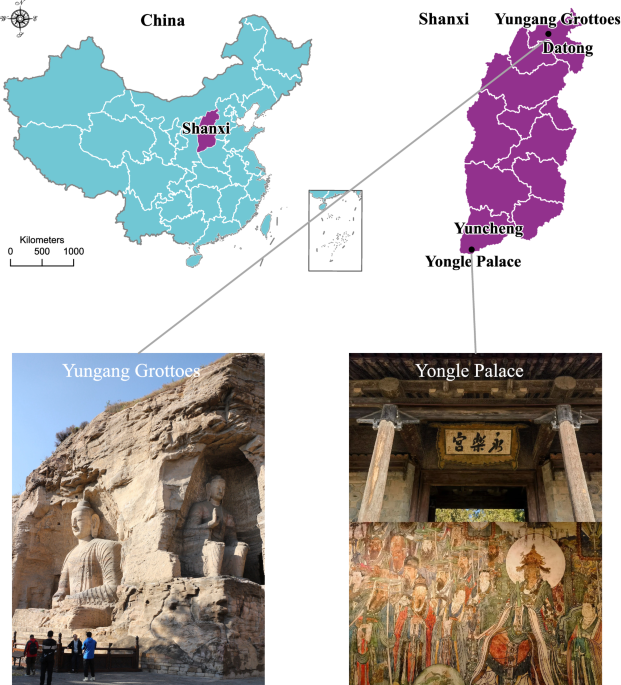
Heritage sites are increasingly recognized not only for their visual and historical significance but also for their acoustic environments. In Shanxi, China, a region rich in cultural heritage, researchers have investigated how soundscapes influence tourists' perceptions and overall satisfaction. This comprehensive study employs multilevel modeling techniques to analyze data collected from visitors, aiming to understand the relationship between acoustic environments and visitor experiences.
The research begins by emphasizing the importance of soundscapes as an integral part of heritage value. Unlike traditional assessments that focus solely on visual or structural aspects, this approach considers auditory elements as vital contributors to the authenticity and immersive experience of heritage sites. The study hypothesizes that positive soundscape perceptions can enhance visitor satisfaction and foster a deeper connection with the cultural environment.
Data collection involved surveys administered to tourists visiting various heritage sites across Shanxi. Participants provided feedback on their perceptions of the sound environment, including factors such as natural sounds, traditional music, and ambient noise levels. Additionally, visitors rated their overall satisfaction with their experience. The collected data was then analyzed using multilevel modeling to account for individual differences and site-specific variables.
The results reveal significant correlations between soundscape perceptions and visitor satisfaction. Tourists who reported favorable perceptions of natural sounds and traditional music tended to express higher satisfaction levels. Conversely, excessive noise or intrusive sounds negatively impacted their experience. The multilevel analysis also identified that site-specific factors, such as preservation efforts and acoustic design, play a crucial role in shaping visitor perceptions.
Furthermore, the study highlights the importance of managing sound environments to enhance heritage value. Recommendations include implementing acoustic design strategies that preserve natural sounds, reduce unwanted noise, and incorporate traditional musical elements. Such measures can create more authentic and engaging experiences for visitors, ultimately contributing to the sustainable preservation of cultural heritage.
In conclusion, this research underscores the significance of soundscapes as a key component of heritage value. By integrating acoustic considerations into heritage management and tourism strategies, stakeholders can improve visitor satisfaction and foster a deeper appreciation of cultural sites. The findings from Shanxi serve as a valuable reference for other regions aiming to enhance their heritage experiences through soundscape optimization.